Valerie Chai

Fed interest rate outlook 2026: Why We Now Expect Zero to One Hike in 2026

Fed interest rate outlook 2026 The Federal Reserve held the federal funds rate at 3.50%-3.75% in July, but the decision was not a neutral pause. Three policymakers voted for an immediate 25-basis-point increase, revealing a significant tightening bloc inside the Committee. Our Fed interest rate outlook for 2026 is therefore revised from no change to Fed interest rate outlook 2026: Why We Now Expect Zero to One Hike in 2026

The AI investment cycle is entering a more demanding phase

The AI Boom Is Becoming a Balance-Sheet Test For much of the artificial intelligence boom, capital expenditure was interpreted as a signal of strength. The companies buying the most advanced chips, constructing the largest data centres and securing the greatest computing capacity were assumed to be building an unassailable lead. Higher spending implied greater ambition. The AI investment cycle is entering a more demanding phase

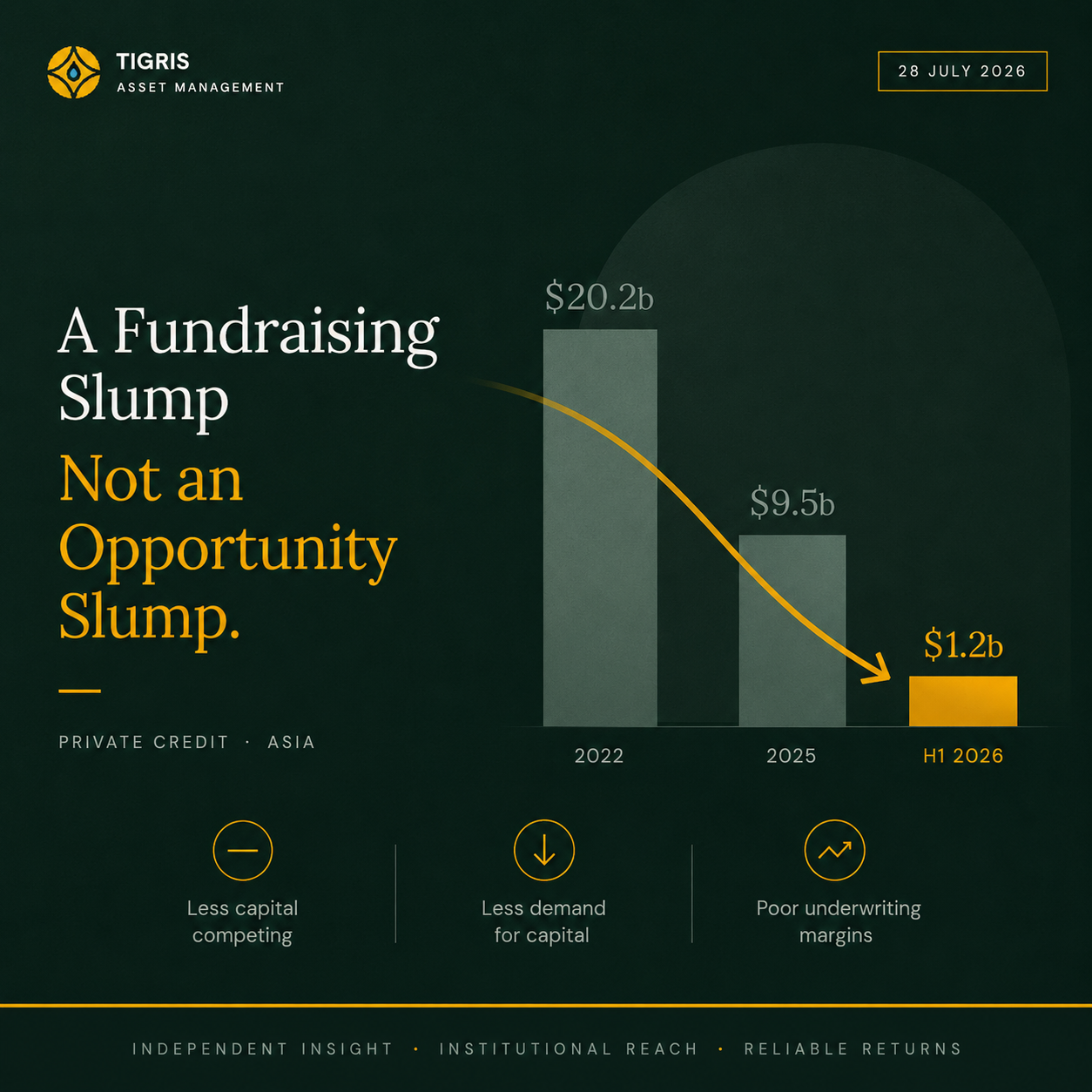
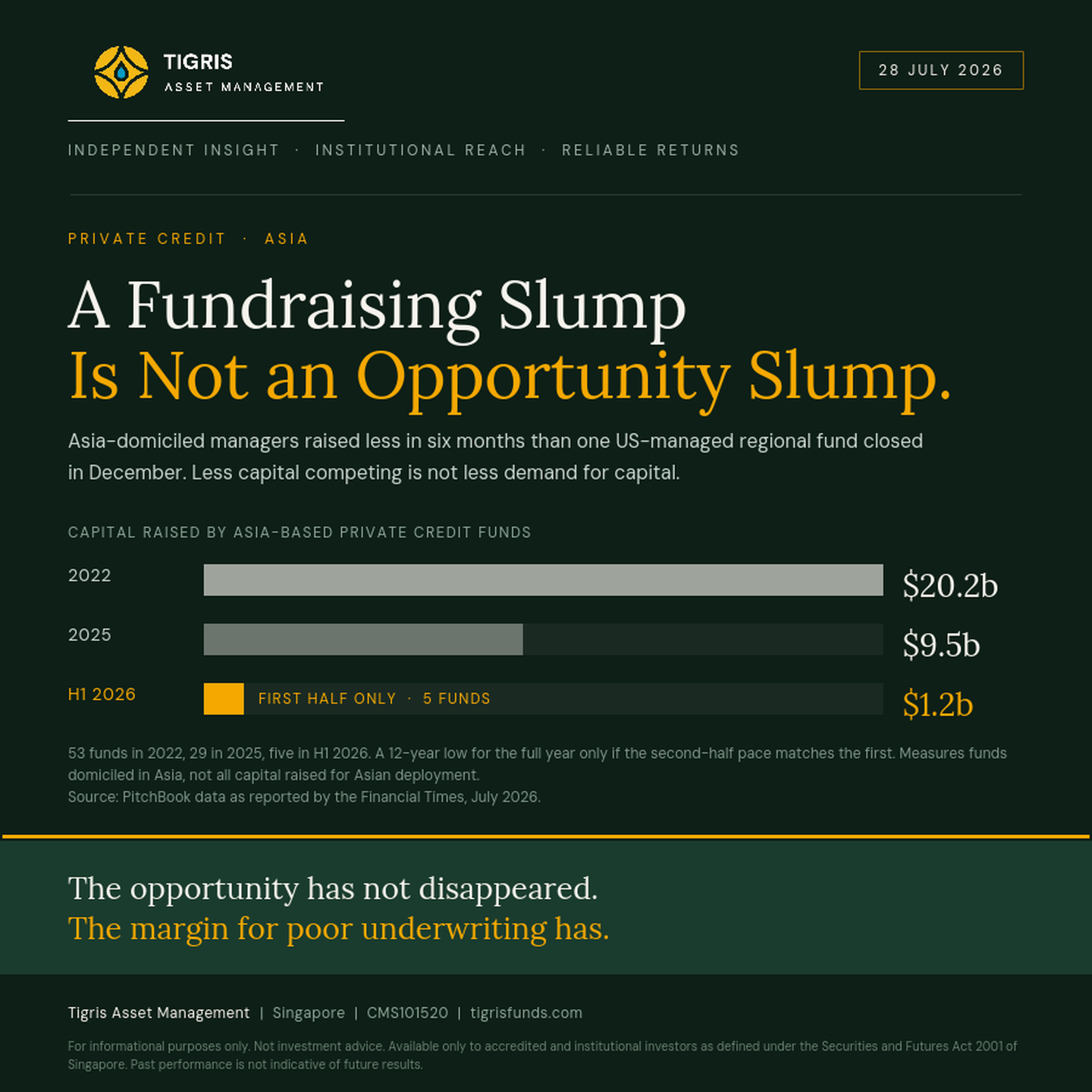
Asia Private Credit’s Fundraising Slump Is Not the Same as an Opportunity Slump

Asia private credit Asia private credit fundraising has collapsed to its weakest level in more than a decade, but a fall in capital raised is not evidence that borrower demand or lending opportunity has disappeared. The data measures how much money managers attracted, not how much financing Asian businesses need. Those are different questions, and Asia Private Credit’s Fundraising Slump Is Not the Same as an Opportunity Slump

Private Credit PIK Loans Were Underwritten for a Rate Cut. The Market Is Now Pricing a Hike.

Private credit PIK loans are increasingly created by amendment rather than at origination, and almost all of those amendments were underwritten on the assumption that interest rates would fall. That assumption no longer holds. As of 24 July 2026, futures markets priced roughly a one in three chance of a Federal Reserve rate hike this Private Credit PIK Loans Were Underwritten for a Rate Cut. The Market Is Now Pricing a Hike.

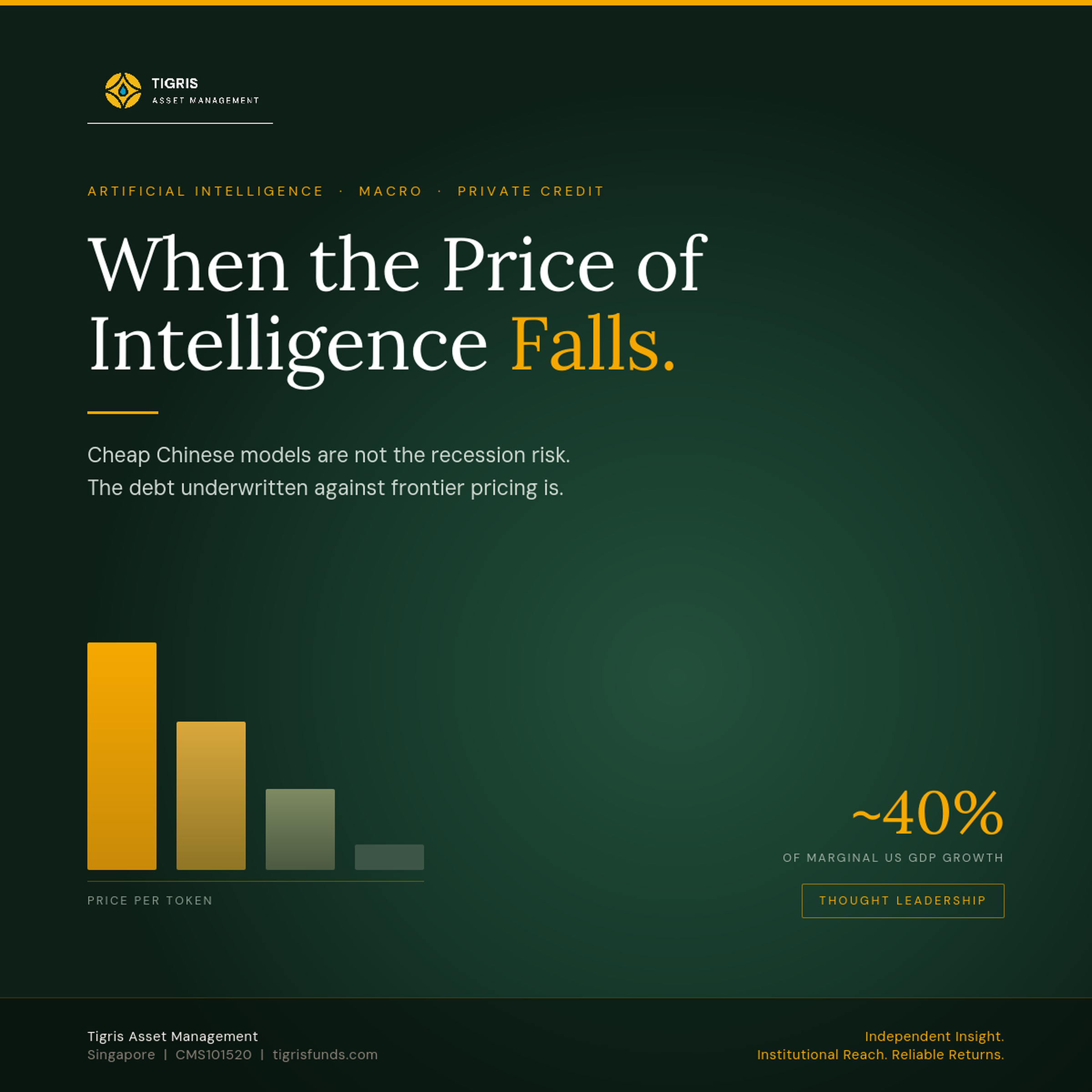
When the Price of Intelligence Falls: What Cheap Chinese AI Would Mean for US Growth

The Fear, Stated Plainly Cheap open-weight Chinese AI models are unlikely to cause a US recession by destroying subscription revenue. That channel is too small. The genuine risk is narrower and less discussed: if the market revises downward its expected return on AI infrastructure, the financing that funds roughly 40% of marginal US GDP growth When the Price of Intelligence Falls: What Cheap Chinese AI Would Mean for US Growth

Euphoria or Exhaustion? S&P 500 and Nasdaq Hit New Highs — But for How Long?

The Market’s High-Flying Moment On July 24, 2025, both the S&P 500 and Nasdaq Composite closed at all-time highs. For many investors, this milestone is cause for celebration — a sign that optimism is alive despite inflation concerns, geopolitical tensions, and policy uncertainty. But beneath the surface of these gains, a more complex picture is Euphoria or Exhaustion? S&P 500 and Nasdaq Hit New Highs — But for How Long?

U.S. debt and de-dollarization

The Dollar Is Cracking: War, Debt, and the End of U.S. Financial Dominance?   In 2025, the world is watching a dangerous convergence: U.S. debt and de-dollarization, with an active war between Israel and Iran, new Trump-era tariffs reigniting global trade friction, and an economic undercurrent that could reshape the global financial order. According to U.S. debt and de-dollarization

Will the U.S. Back Israel? Market Implications of a Defining Choice

The unfolding decision on whether the U.S. backs Israel in escalating tensions with Iran is reverberating across global markets. With former President Trump signaling that his judgment could emerge within two weeks, investors are on edge over how such a pivotal move could reshape oil prices, safe-haven flows, defense stocks, and global risk sentiment. Meta Will the U.S. Back Israel? Market Implications of a Defining Choice